
Supreme Court Upholds Birthright Citizenship; Colorado Primaries Yield Pivotal Results
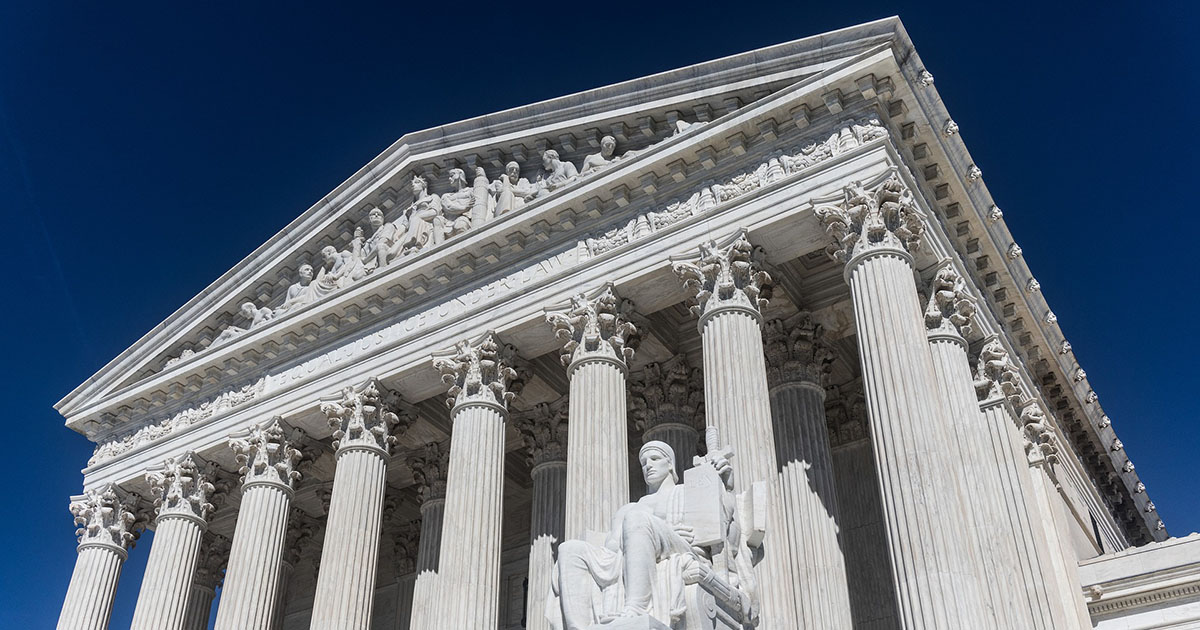
In a landmark decision that reverberated through the nation's legal and political landscape, the Supreme Court upheld birthright citizenship, affirming the principle grounded in the 14th Amendment to the United States Constitution. On the last day of its term, the high court reinforced that anyone born on American soil is entitled to citizenship, a ruling that preserves a longstanding pillar of the nation's immigration policy. The decision, backed by a majority of justices, was hailed by advocates as a victory for immigrants and their families, promising to secure the rights of future generations of American-born individuals.
Chief Justice John Roberts, writing for the majority, encapsulated the court's stance, emphasizing that birthright citizenship is a fundamental element of American identity, deeply woven into the fabric of the nation's law and history. Opponents had argued for a narrower interpretation, suggesting that the clause should not automatically apply to everyone born in the country, particularly children of non-citizens. However, the court's adherence to precedent underscored a commitment to the broader interpretation that has been in place for over a century.
Meanwhile, in the political arena, the Democratic primary for a U.S. House seat in Denver witnessed a dramatic shift as a Democratic socialist emerged victorious. The candidate, whose grassroots campaign energized a progressive base, promises to bring a distinct perspective to Capitol Hill. With a platform focusing on healthcare reform, income inequality, and climate change, the win signals a growing willingness of voters in the district to embrace more left-leaning policies and representatives.
The political ascent of the Democratic socialist in Denver reflects a broader trend within the Democratic Party, where progressive ideas are gaining traction and challenging traditional party orthodoxy. This primary upset is a bellwether of potential shifts in the Congressional landscape, as demographic changes and economic concerns drive new political narratives. As parties navigate these evolving dynamics, the implications for future elections and legislative priorities could reshape the legislative agenda on Capitol Hill.